
Material Handling and Stockpile Management
Loading, rehandling and stockpile management with our John Deere 824L wheel loader, keeping product clean, separated and moving.
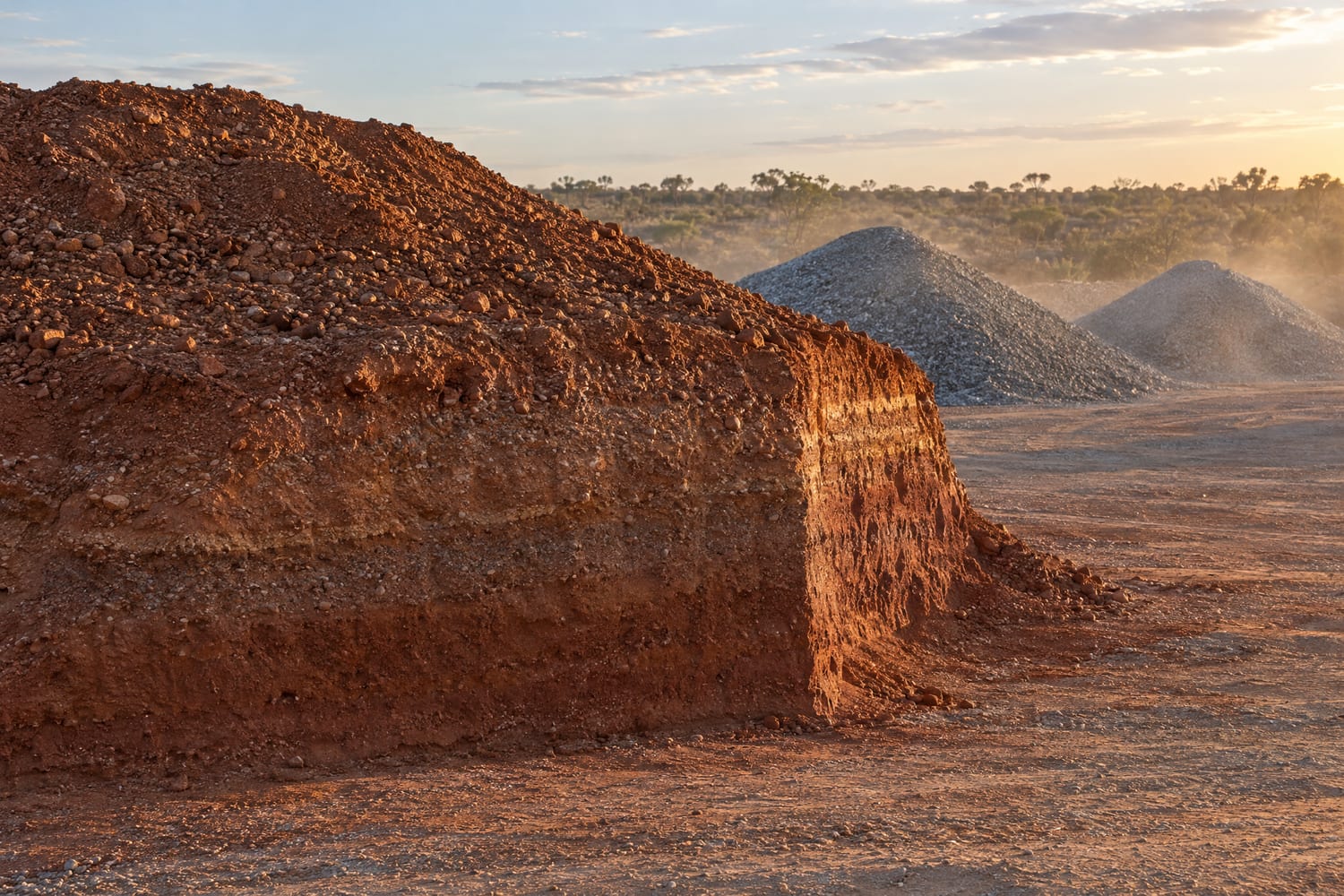
Stockpile management is really about value. Product that gets mixed between grades, or sits in a pile that holds water, is worth less when it leaves than when it arrived. We build and shape stockpiles to shed water, keep grades separated and keep the working floor clean.
On a site producing or consuming material, the loader sets the pace for the trucks, the crusher or the crew. Loader size matters more than it looks. A pass saved on each trailer is saved again on every load for the length of the job, and that’s what keeps trucks turning around instead of idling. The 824L loads trucks and side tippers, so tell us your volumes and we’ll plan the loading around them.
Where material has to leave site, our side tipper carts it, so loading and haulage stay with one contractor.
What it covers
- Truck and trailer load-out
- Stockpile construction and shaping
- Grade separation and contamination control
- Material rehandling and transfer
- Working floor maintenance
- Bin and hopper feeding
- Site clean-up and material recovery
Plant on this work
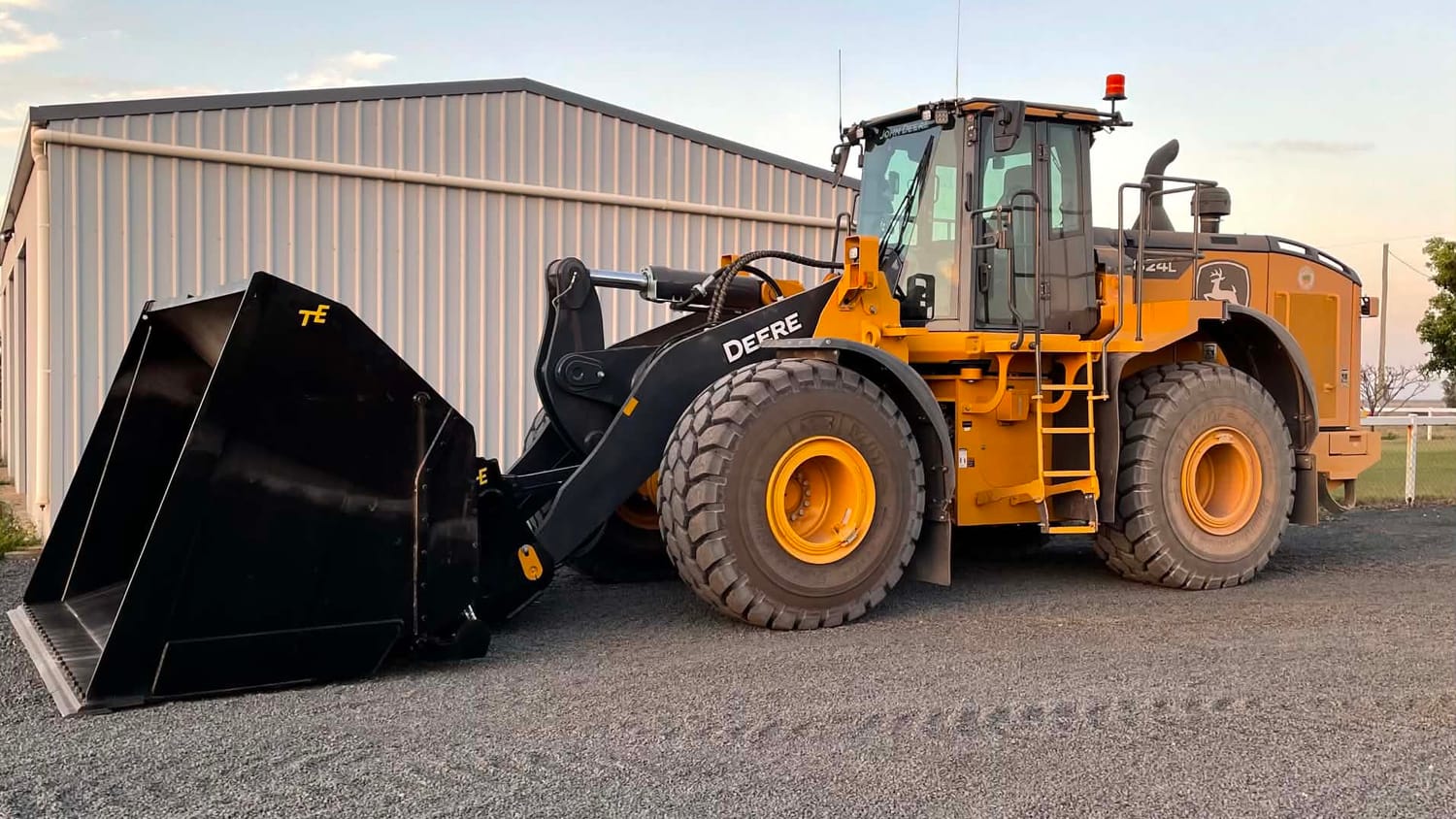
John Deere 824L Wheel Loader
Bulk material handling, stockpiles and loading
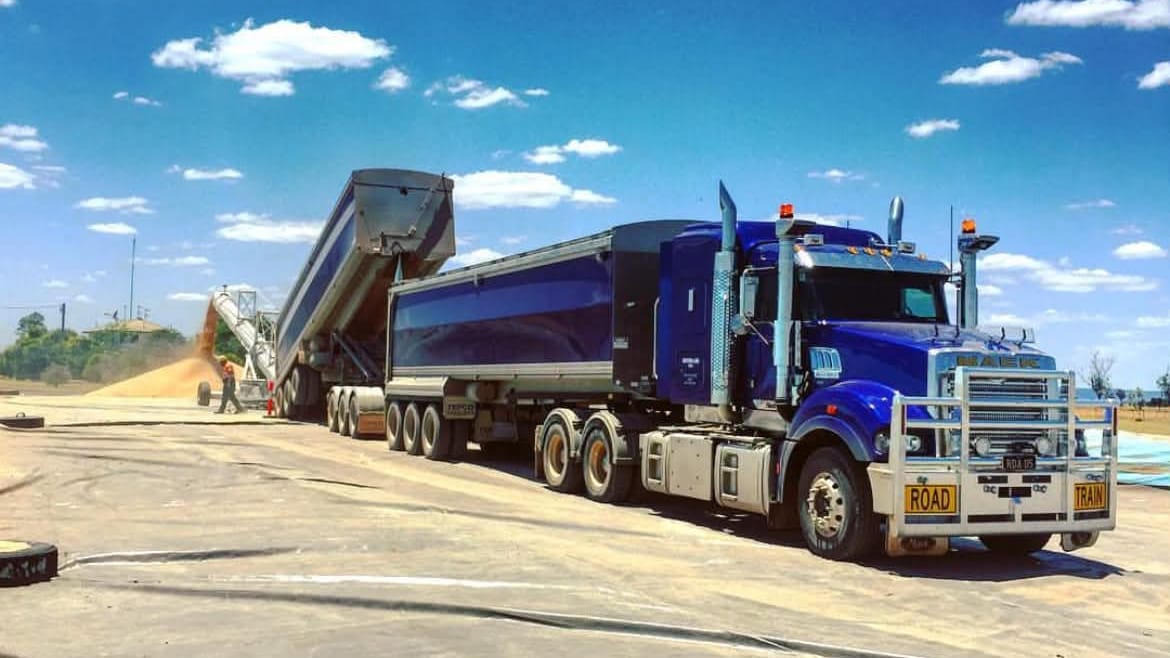
Road Train Side Tipper
Bulk haulage of road base, quarry material and spoil
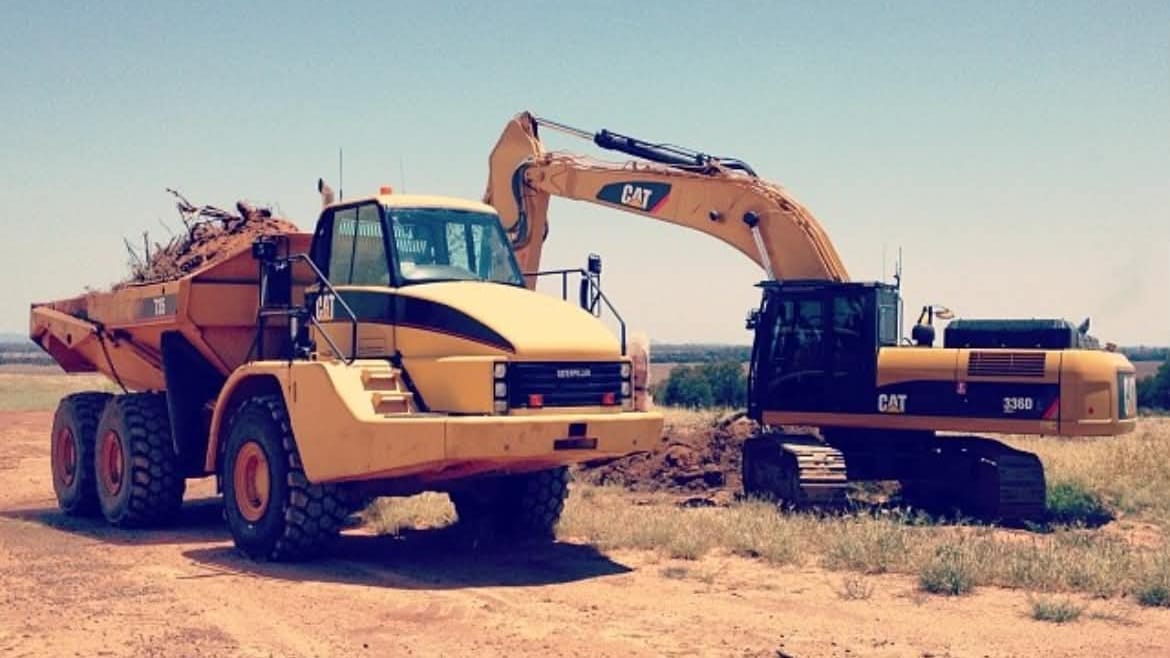
36 Tonne Excavator
Bulk excavation, cut and fill, dams, drainage and loading
What you need to have sorted
- A defined working area and stockpile layout
- Reasonably firm ground to work on
- Site induction and access
- Volumes and throughput expectations
Scope of this service
- Crushing, screening and processing sit with your processing contractor.
- Weighbridge operation and dockets stay with your site.
- Material testing and quality certification come from your tester or laboratory.
- Stock control and inventory reporting stay with your site.
Common questions
What makes a well-managed stockpile?
Grades kept apart, a clean working floor and a shape that sheds water. All three protect what the material is worth when it’s sold or used, and all three are cheaper to keep up than to fix once product is mixed.
Can you load out trucks that aren’t yours?
Yes. Loading customer or contractor trucks from your stockpiles is routine work. Tell us the expected volumes and turnaround, so we can plan the loader around a steady line of trucks or occasional loads.
Do you work set hours, or around a site that runs longer?
We work to what the site needs, within fatigue limits. A quarry loading out all day and a civil site on a set shift are different arrangements, and both work well when we agree the hours in the quote.
When does it make sense to bring in a large wheel loader?
When there’s sustained throughput, or enough volume that the loading rate sets the length of the job. The float trip costs the same whether it moves two hundred tonnes or two thousand. For small quantities, a machine already on site is often the better answer, and we’ll tell you which suits your job.
Can the loader feed a crusher, screen or hopper?
Yes. Bin and hopper feeding is part of this work, and a steady feed keeps the plant running at its rate. Tell us the plant’s throughput and we’ll plan the loader around it, alongside any load-out the site needs.