
Dam Clean-outs and Rural Earthworks
Restoring capacity to dams that have silted up, and repairing the banks that hold them. Practical rural earthworks for properties that need the water there in a dry year.
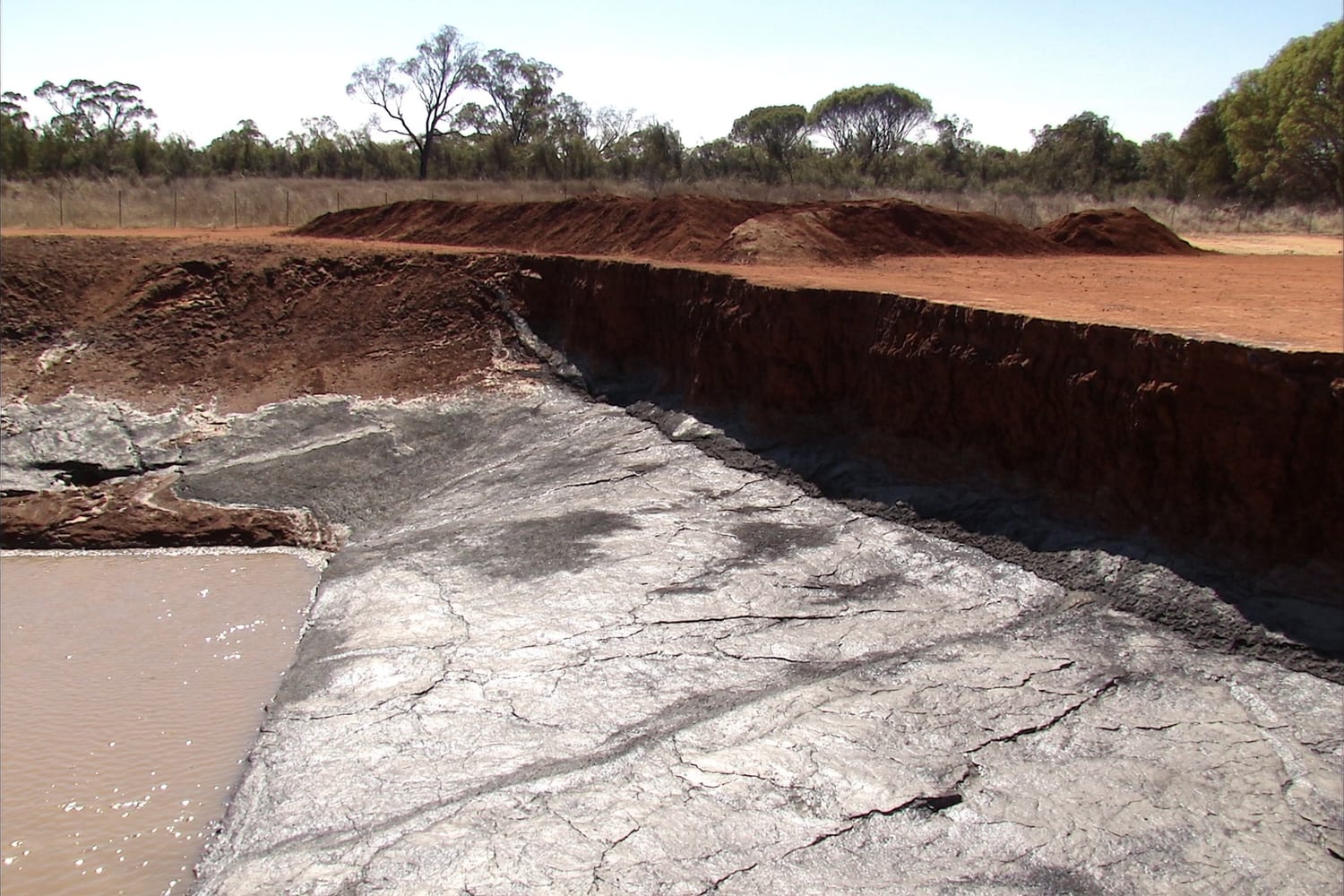
Silt fills a dam from the bottom up, and the lost storage often goes unnoticed until a dry stretch shows it. A clean-out restores that capacity without the cost and approvals of building a new dam.
We also repair embankments, walls, spillways and erosion damage, and form contour banks and diversions to move water where you want it. Contour banks slow runoff and send it where it’s useful, which protects paddocks and tracks from scouring. A repair costs far less before a wall fails than after.
Our 36 tonne excavator has the reach and capacity for this work, and the spoil can usually stay on the property as useful fill, so there’s no cartage to pay for.
What it covers
- Dam clean-outs and desilting
- Capacity restoration
- Embankment and wall repair
- Erosion repair and batter reshaping
- Spillway reshaping and maintenance
- Contour banks and water diversion
- General rural property earthworks
- Stock and access track formation
Plant on this work
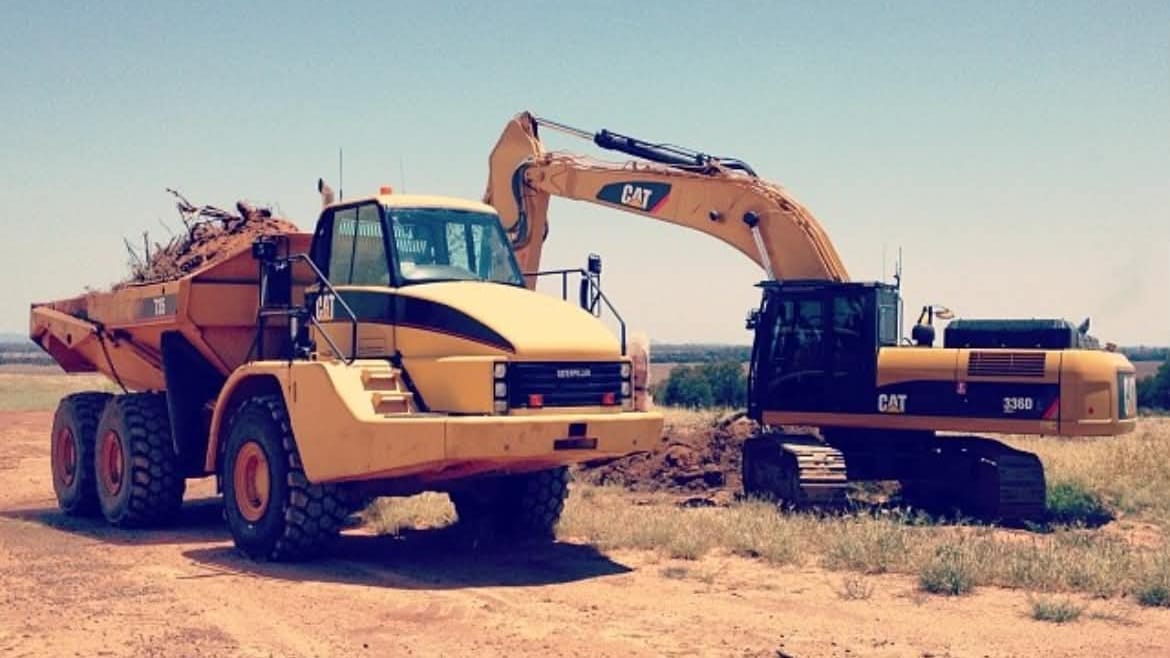
36 Tonne Excavator
Bulk excavation, cut and fill, dams, drainage and loading
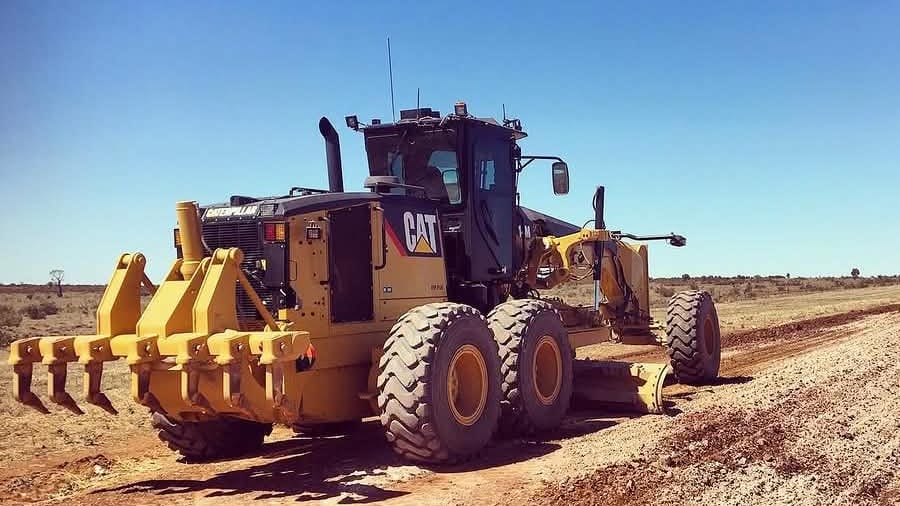
Caterpillar 14M Motor Grader
Road construction, maintenance, final trim and formation
What you need to have sorted
- Access for a low loader to get the machine in
- Somewhere on the property to place the spoil
- Any approvals your dam or waterway works require
- A dam dry enough to work in, or a plan to get it there
Scope of this service
- NEW dam construction isn’t offered. Referable dams and water licensing are regulated, so our dam work covers clean-outs, repairs and contouring of existing dams.
- Water licensing, approvals and engineering certification of a dam wall stay with you and your engineer.
- Dewatering and pumping sit with you, so the dam is dry enough to work in when we arrive.
- Vegetation clearing, which is regulated in Queensland and not offered.
Common questions
Does the dam need to be dry before you start?
Mostly, yes. An excavator can reach into water to a point, but a wet dam is slower to work and its spoil can’t be placed until it dries. Most clean-outs happen in a dry stretch or after the dam has been pumped or drawn down, so it pays to plan around the season.
What happens to the silt that comes out?
It usually stays on the property, and it’s often worth having. Dam silt can be good material for spreading or building up low areas. We can cart it away if you need us to, but finding a use for it on site keeps the cost down.
How do you get a 36 tonne machine to a dam out in a paddock?
It’s floated to the nearest firm access and tracked in from there. In dry conditions that’s usually simple. After rain, wet black soil won’t carry a low loader, which is another reason these jobs suit a dry stretch: the machine gets in and out without cutting up the country.
Do I need approval to clean out an existing dam?
Possibly. It depends on the dam, the waterway and the work. Restoring an existing dam to its original capacity is treated differently from enlarging one or building new, so check with your local council or the relevant Queensland department before the job is booked.