
Road Construction and Maintenance
Building and maintaining unsealed roads, haul roads and site access, with our 14M grader, 16 tonne roller and 25,000 litre water truck working as one crew.
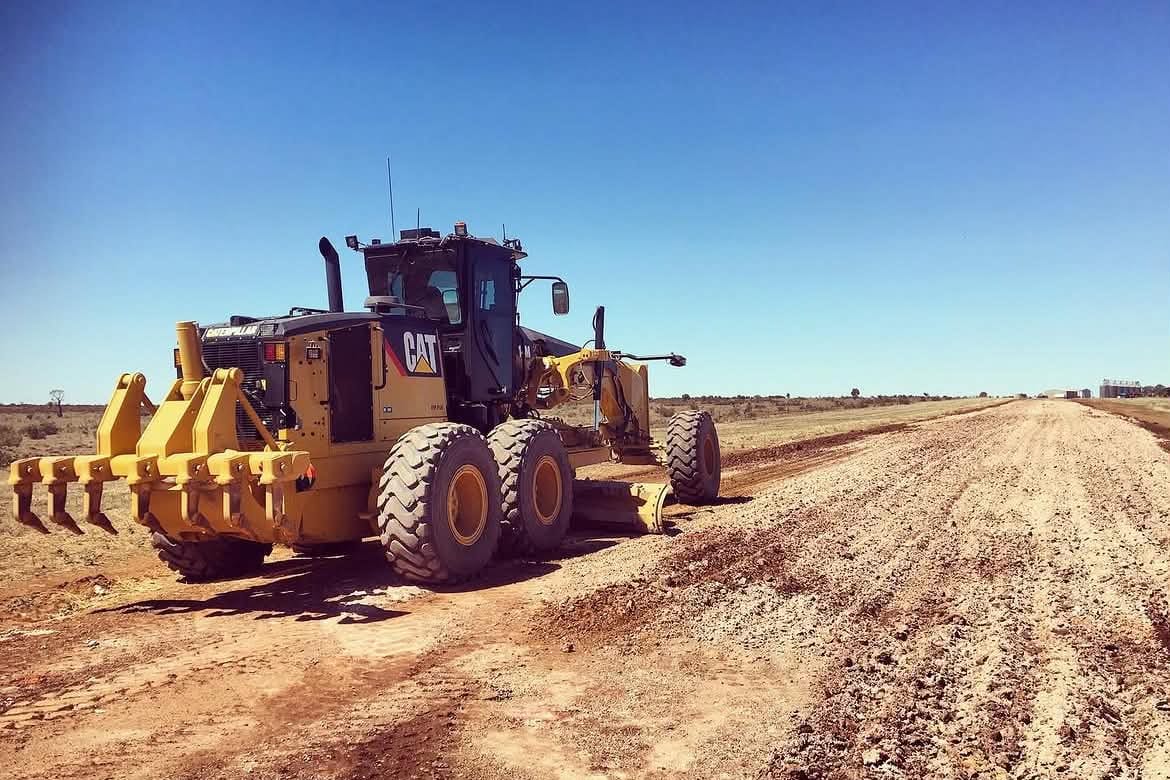
A good gravel road comes down to three things: shape, moisture and compaction. We shape it to shed water, bring the material to the right moisture so it binds, and compact it so it holds. Miss any one of the three and the road usually fails in its first wet season, often in the same places every year.
Our grader, water truck and roller work as one crew, so each pass follows straight on from the last and the road is shaped, watered and compacted in one program. When a road needs new material, our side tipper carts in the gravel or road base.
The same crew handles maintenance: restoring the crown, cleaning out table drains, and repairing corrugations, potholes and washouts on property roads, council roads and mine and quarry haul roads. We finish to the level your job needs, ready for base course. For haul roads and council roads, we can run an ongoing maintenance program as well as one-off jobs.
What it covers
- Road formation and construction
- Gravel road maintenance and reshaping
- Mine and quarry haul road maintenance
- Table drain construction and cleaning
- Crown and camber restoration
- Pavement and formation compaction
- Pothole and washout repair
- Rural and property access tracks
- Trim to design level before pavement or slab
- Hardstand and laydown finishing
- Site levelling to tolerance
- Formation trimming before base course
- Reshaping after settlement or weather
- Grade correction on existing surfaces
Plant on this work
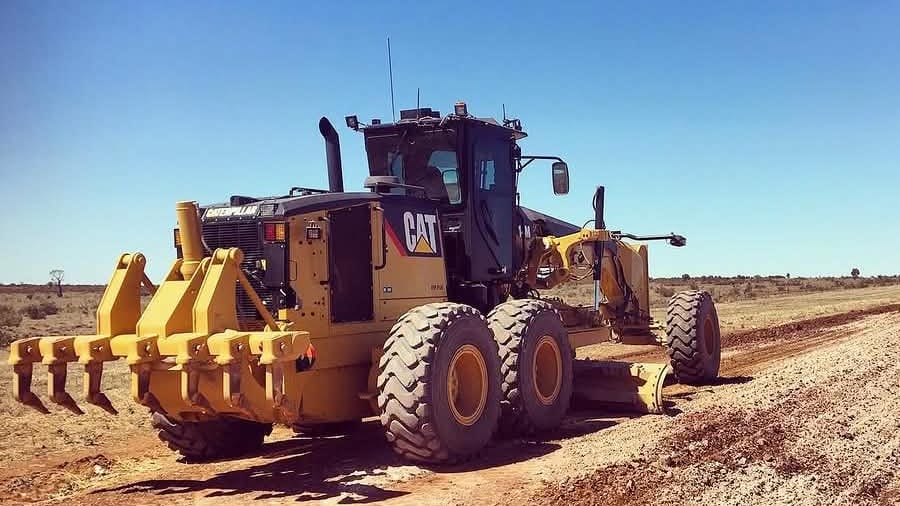
Caterpillar 14M Motor Grader
Road construction, maintenance, final trim and formation
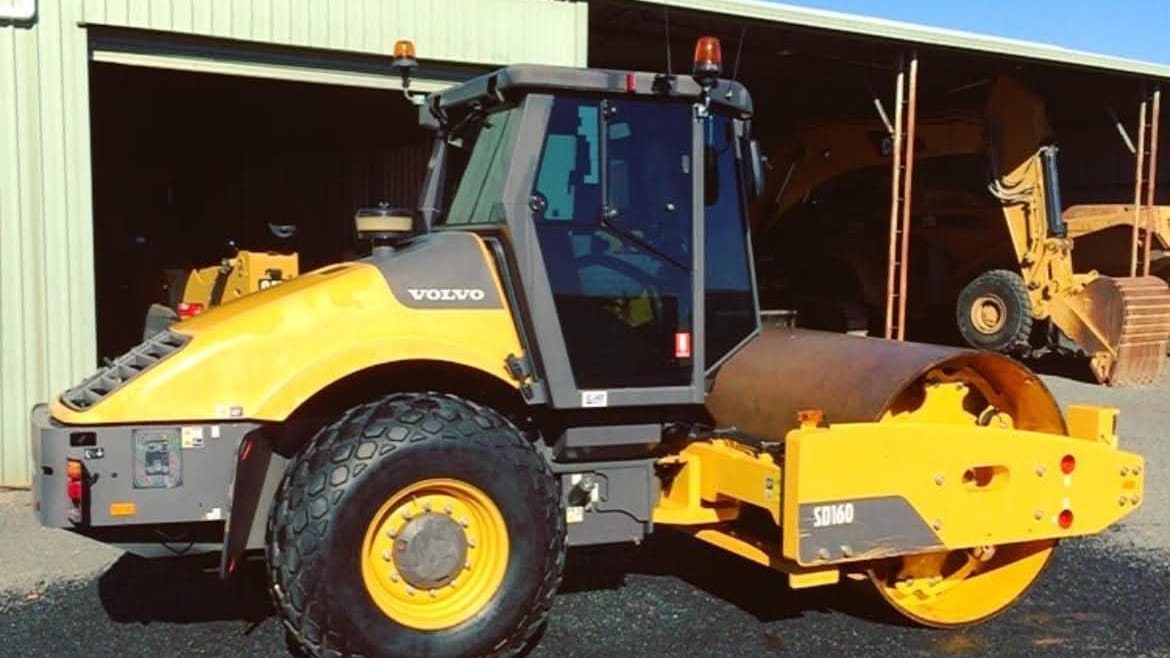
16 Tonne Vibrating Roller
Compaction for roads, hardstands and pads
25,000 Litre Water Truck
Dust suppression, compaction water and haul road maintenance
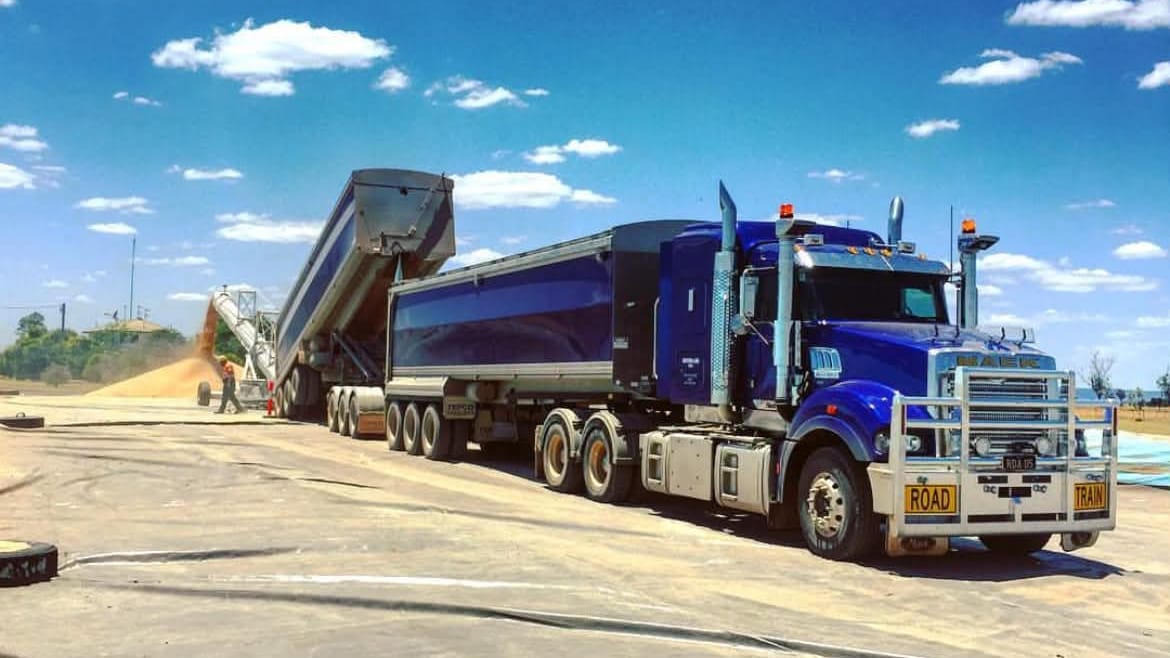
Road Train Side Tipper
Bulk haulage of road base, quarry material and spoil
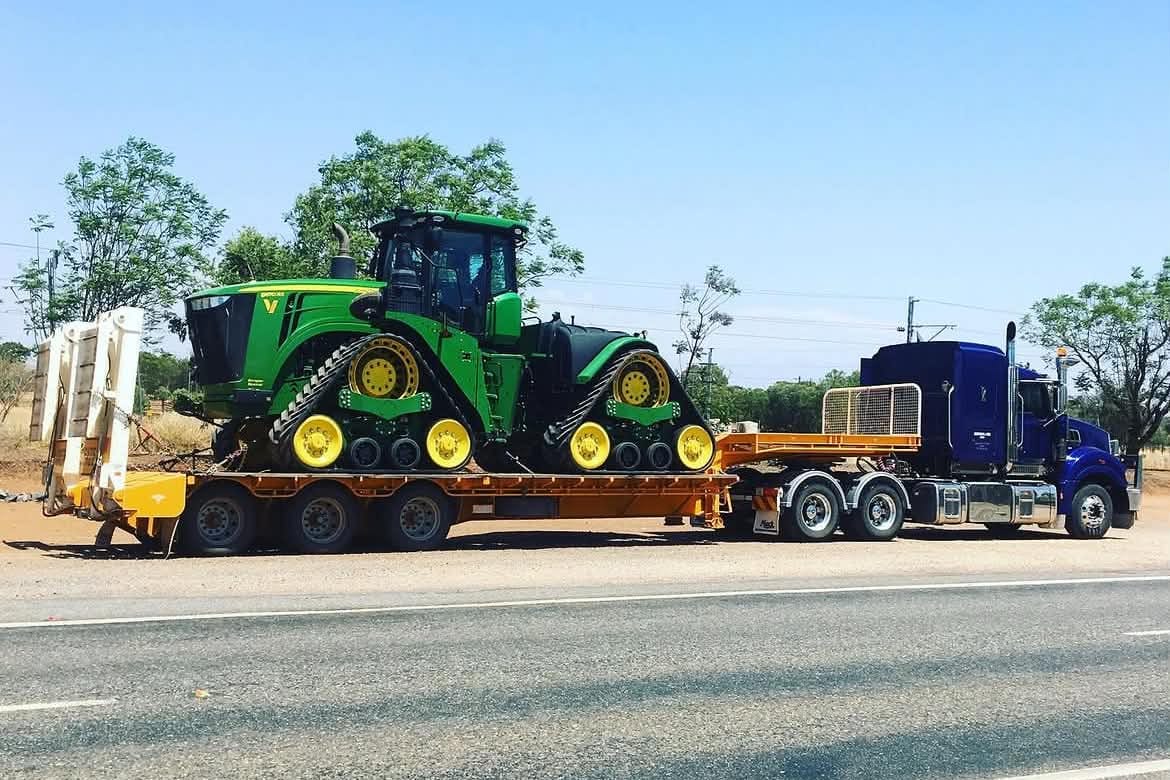
John Deere 9RX and Scraper Bucket
Cutting, carrying and spreading material for bulk earthworks and shaping
What you need to have sorted
- A water source, or agreement on carting water in
- Gravel or road base, or a decision to have us cart it
- Traffic management where the road stays open
- Any specification the finished road has to meet
Scope of this service
- Sealing, asphalt and line marking go to your sealing contractor, and we prepare the formation for them.
- Accredited traffic control and traffic management plans come from a specialist provider.
- Compaction testing and conformance reporting come from an independent NATA-accredited tester.
- We excavate for culverts and pipes, and your drainage contractor supplies and installs them.
Common questions
How often does a gravel road need grading?
When the crown has gone or the corrugations have started. Traffic, material and rain set the pace more than the calendar does. A lightly used property road can go a year between passes, while a haul road carrying loaded trucks every day can need attention monthly or more. Both problems cost more the longer they’re left.
Can you work on a road that has to stay open?
Yes. We stage the work so a usable lane stays open, and plan it around the accredited traffic management you’ll need in place. Tell us when you ask for a quote, because it affects how the job runs and how long it takes.
Why does a road need water when it’s going to rain anyway?
Because compaction needs moisture in a narrow range, and rain doesn’t deliver it evenly or on the day you’re working. Too dry and the material won’t bind under the drum. Too wet and it moves. The water truck holds the working surface in that range on purpose.
What tolerance can you trim to?
Send us the tolerance your job has to meet, and we’ll confirm whether our grader can hold it as it is or whether the job needs machine control. It depends on the material and the surface, so we check it against your job rather than quote a figure sight unseen.
Do you need a surveyor on site to trim to level?
You need setout from someone, usually your surveyor. We trim to their marks and levels, and on a job with a tight tolerance the surveyor checks the finished result.
Can you re-trim a surface that has settled or been damaged?
Usually, yes. It’s common on sites that sat through a wet season or carried traffic before the next stage started. Whether it needs a re-trim or new material depends on how much has been lost. Rutted ground usually needs ripping and recompacting rather than a quick blade, because grading over a soft spot only hides it until something heavy drives on it.
What happens after the final trim?
Once the surface is rolled, it’s ready for checking. On a specified job, your surveyor checks the level and your tester checks the compaction, and once both are signed off the pavement crew or concretor can start. Tell us who’s doing the checks and we’ll time the trim so they can follow straight on.