
Civil Contracting and Site Preparation
Sites made ready to build on: access in, a level working surface, drainage that works, and pads and hardstands compacted to carry the load.
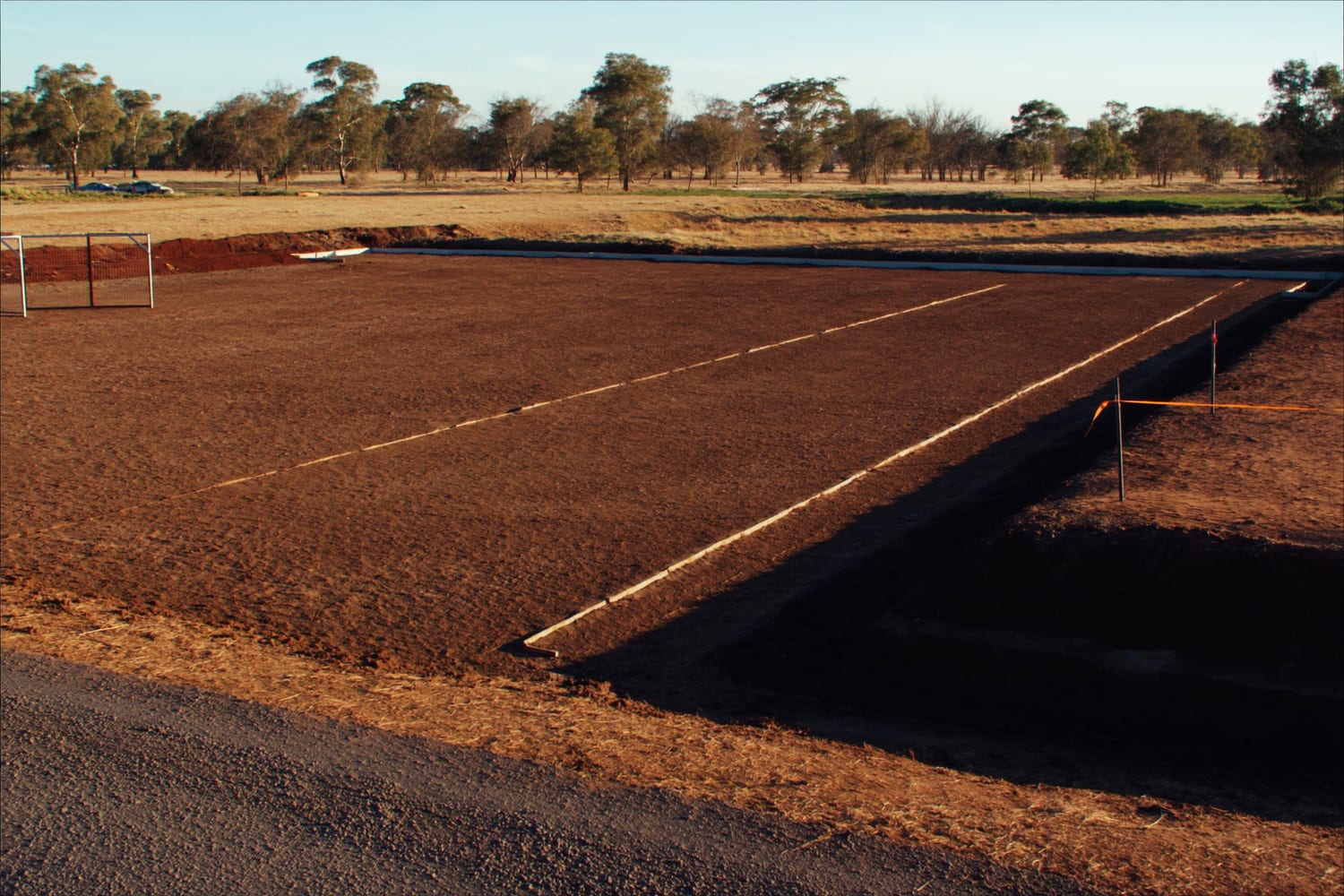
Our excavator, grader, roller and water truck cover the whole sequence: cut and fill to level, drainage, then shaping and compaction. With one contractor running every stage, each step follows straight on from the last.
We work to your levels and your program. On commercial and industrial jobs that means fitting around the other trades on site and keeping access open while we work.
Drainage goes in early, so the site sheds water from the start and the pads and access roads already built stay in shape. Central Queensland weather is part of any program, and we stage the work to keep the exposed area small, so a wet week costs as little time as possible.
What it covers
- Site clearing of loose material and debris
- Cut and fill to design level
- Building pad construction
- Hardstand and laydown area preparation
- Site access roads and entry crossovers
- Drainage and stormwater trenching
- Compaction of pads and platforms
- Final trim before slab or pavement
Plant on this work
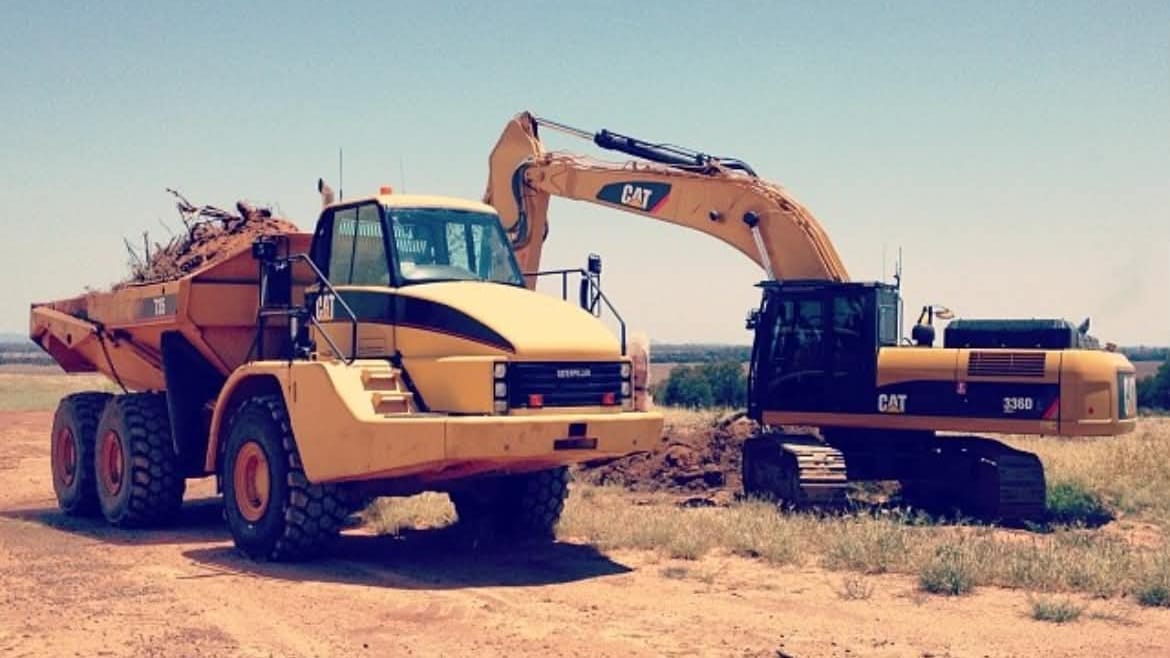
36 Tonne Excavator
Bulk excavation, cut and fill, dams, drainage and loading
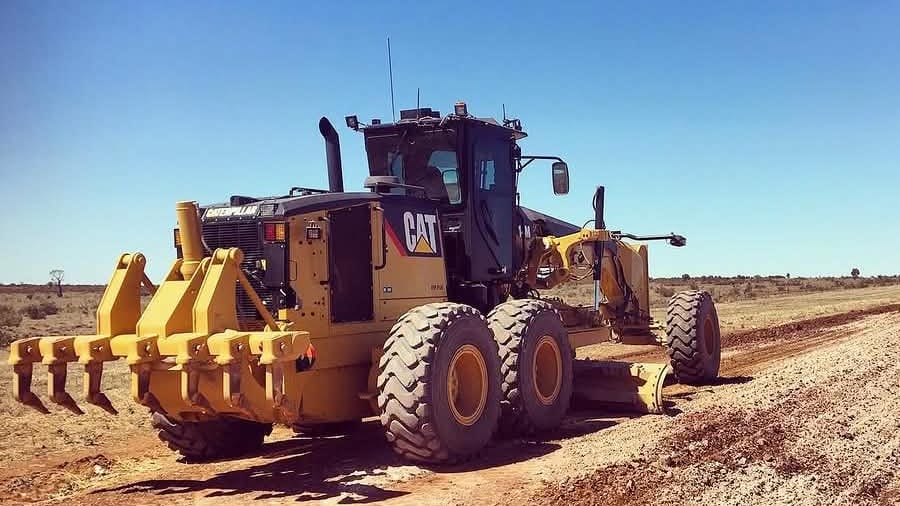
Caterpillar 14M Motor Grader
Road construction, maintenance, final trim and formation
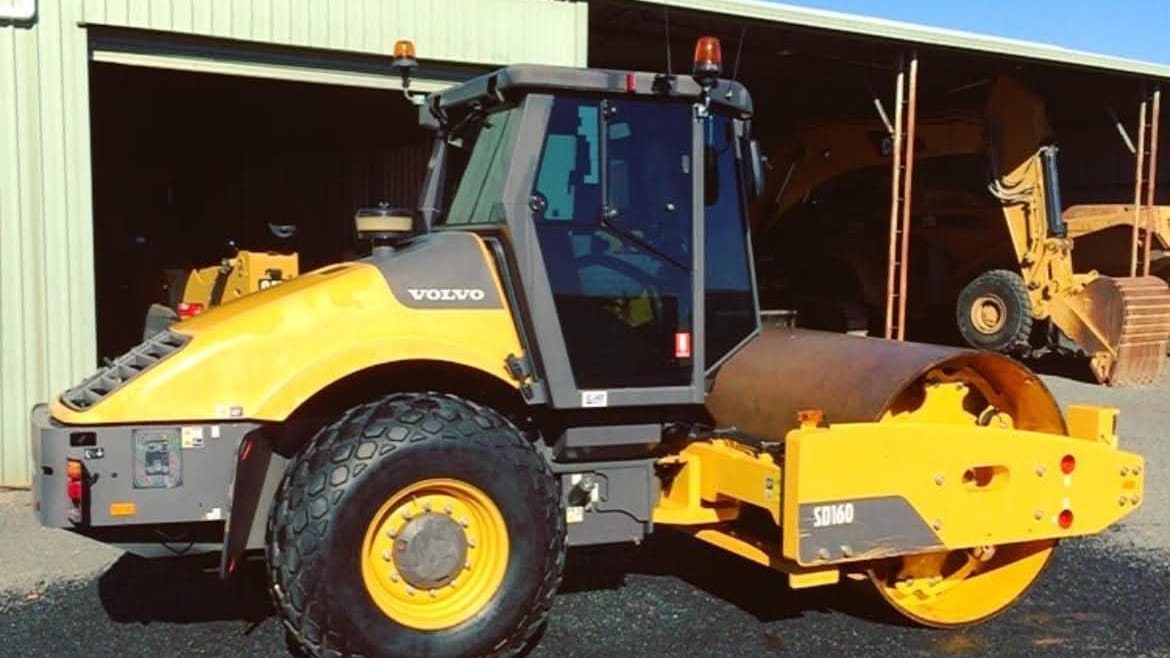
16 Tonne Vibrating Roller
Compaction for roads, hardstands and pads
25,000 Litre Water Truck
Dust suppression, compaction water and haul road maintenance
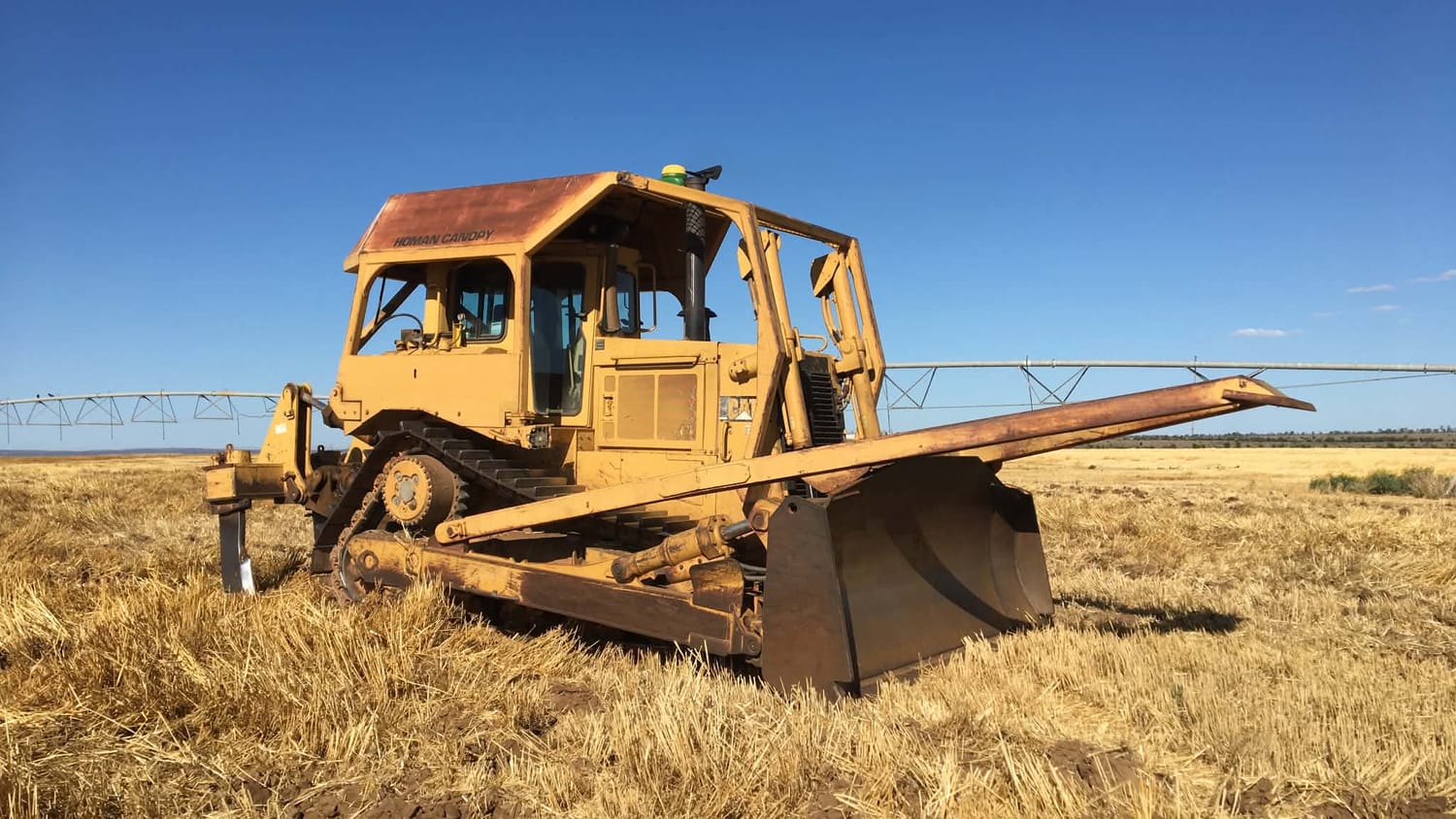
Caterpillar D8N Bulldozer
Heavy pushing, bulk earthworks, site preparation and ripping
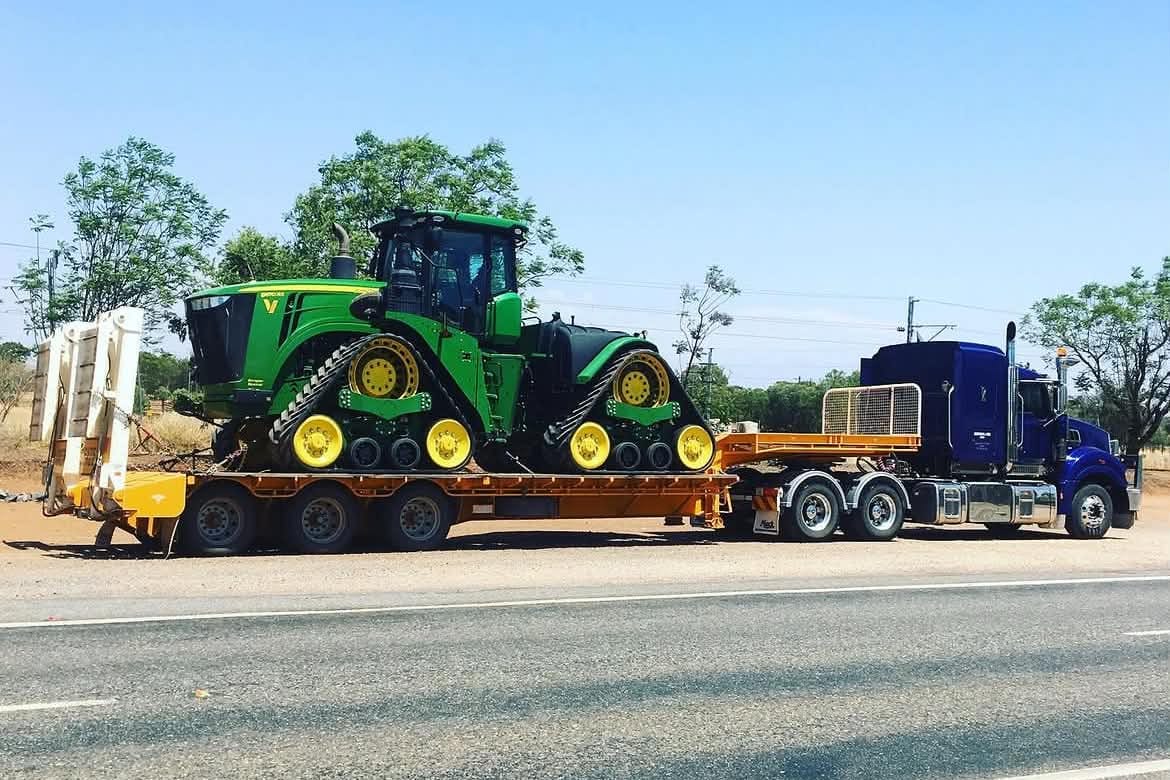
John Deere 9RX and Scraper Bucket
Cutting, carrying and spreading material for bulk earthworks and shaping
What you need to have sorted
- Survey setout and design levels
- Service locations before we break ground
- Site access and any induction requirements
- Compaction specification, if the job has one
Scope of this service
- Concrete, structures, pipework and plumbing sit with the trades that follow us, and we leave the site ready for them.
- Compaction testing and conformance reporting come from an independent NATA-accredited tester, and we sequence our work around their visits.
- Survey setout comes from your surveyor, and we work to their marks and levels.
- Vegetation clearing, which is regulated in Queensland and not offered.
Common questions
Can you work around other trades on an active site?
Yes. On commercial jobs that’s normal. Tell us what else is happening and when, and we’ll build it into the program from the start.
What does a building pad actually need to achieve?
The right level, a shape that drains, and enough compaction to carry the structure without settling. The specification usually comes from the project engineer as a density requirement, and that number sets how many passes and how much moisture control the job needs.
What happens to the program if it rains?
Earthworks stops earlier than most people expect and restarts later. Wet material won’t compact, and running machines over a soft surface undoes finished work, so waiting usually costs less than pushing on. Staging helps: we keep the exposed area small, get drainage in early and keep a dry section moving while a wet one dries out.
Can the site access go in before the main earthworks?
Yes, and it often should. A formed and compacted access and laydown area gives deliveries, site sheds and the other trades somewhere firm to work from as soon as they arrive. It also keeps trucks off the ground you’re about to build on. Tell us what needs to get in and when, and we’ll sequence it first.